
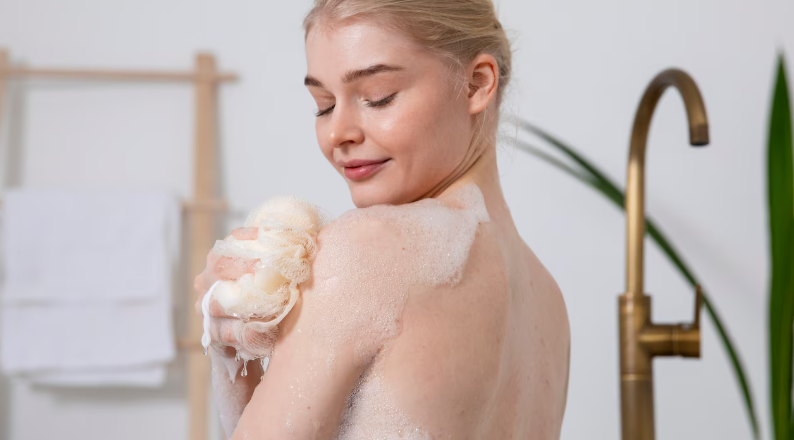
Once a novelty, shower gel has now taken its place as a staple in the realm of personal care. This versatile product is loved for its unique properties that cater to a wide array of skin types and preferences, making it an indispensable part of many people’s daily routines.
Evolution of Shower Gel in Skincare
Shower gels emerged as a modern alternative to traditional soap bars in the late 20th century, coinciding with a shift towards more hygienic and skin-friendly cleansing options. Unlike soap, which can be harsh and strip the skin of its natural oils, shower gel often incorporates milder cleansing agents along with added moisturisers, vitamins, and other beneficial ingredients. This composition makes them particularly suitable for sensitive skin and those seeking a personalised skincare approach.
Today, the market offers a vast range of formulations, catering to specific needs such as hydration, exfoliation, aromatherapy, and even eczema. This adaptability is part of what has contributed to the widespread popularity of shower gel as a preferred cleansing agent.
Ingredients: What Goes into a Quality Shower Gel?
When examining the ingredients of a typical shower gel, several notable components stand out. Often, these products employ surfactants such as sodium laureth sulphate or cocamidopropyl betaine, which are responsible for the effective removal of dirt and oils without excessive drying. Additionally, many shower gels include emollients or humectants, like glycerin or aloe vera, to maintain skin moisture post-cleansing.
Fragrances and essential oils are commonly added to enhance the user experience, offering therapeutic benefits through scent. The market has also seen a rise in formulations boasting natural or organic certifications, appealing to environmentally conscious consumers who prioritise sustainable and eco-friendly choices.
Environmental Impact and Sustainable Alternatives
The production and disposal of shower gel products raise significant environmental concerns, particularly due to their packaging, often made from non-recyclable plastics. Additionally, the presence of certain chemical preservatives and microplastics can have detrimental effects on aquatic ecosystems after entering the water supply.
In response to growing awareness, many brands now focus on producing biodegradable or recycled packaging alternatives. Some companies are even offering refill stations to reduce plastic waste. There is also an increasing demand for natural and organic ingredients, aiming to minimise the environmental footprint and appeal to conscious consumers.
Benefits of Choosing Shower Gel Over Soap
The choice between traditional soap bars and shower gels involves several considerations. One of the key advantages of shower gel over bar soap is hygiene. Shower gels are typically housed in a closed container, thereby reducing the likelihood of contamination. In contrast, soap bars can accumulate bacteria, especially when improperly stored or shared among multiple users.
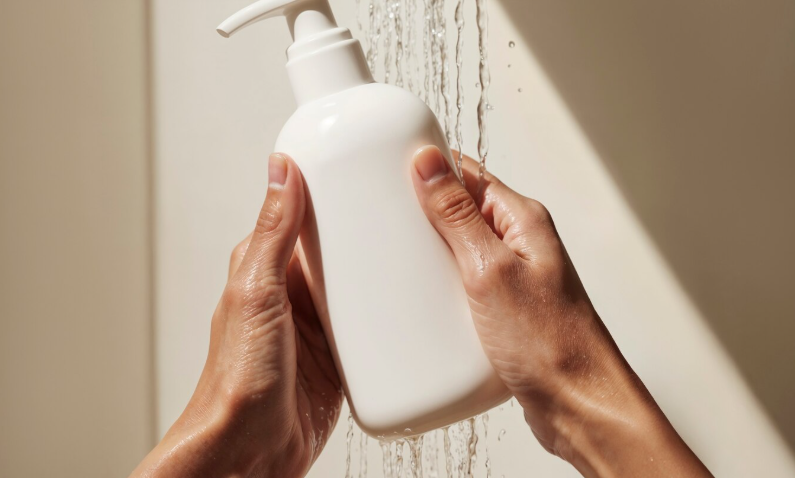
Shower gels also generally offer a more convenient experience with a rich lather that can be effortlessly spread across the skin. Furthermore, the extensive variety of formulations available enables users to select products based on specific skin concerns, such as dryness or acne, ensuring a customised cleansing routine.
Dermatologist Recommendations and Innovations
Dermatologists often recommend shower gels for their gentler formulation and efficacy. Innovations such as pH-balancing gels or those infused with probiotics are encouraged for individuals with dermatological conditions. The advent of technology-driven skincare has also led to products that integrate advanced delivery systems for nutrients, enhancing skin absorption.
These innovations reflect an ongoing trend where consumers are more informed and demand transparency regarding product origins and efficacy. Brands prioritising dermatological research and utilising cutting-edge technology are therefore set to gain a competitive edge in this burgeoning market.
Incorporating Shower Gel into a Personal Care Routine
To maximise the benefits of shower gel, integrating it into a structured personal care routine can prove beneficial. For instance, starting with a lukewarm rinse to open pores can enhance ingredient absorption, followed by applying the gel with a loofah or sponge to promote mild exfoliation. Rinsing with cool water is advisable to close pores and lock moisture, providing a refreshing finish to the cleansing process.
Additionally, selecting a shower gel tailored to seasonal changes can help manage varying skin conditions. During drier months, opting for a product with higher moisturising capabilities can be advantageous, while a cleansing gel with cooling properties may provide relief during hotter days.
Conclusion
The evolution and popularity of shower gel highlight a significant shift in consumer attitudes towards personal hygiene and skincare. With ongoing innovations and a focus on sustainability, the future of shower gels promises even more tailored and environmentally friendly solutions. As we continue to embrace these products, the emphasis on personalisation and conscientious consumption will likely drive further advancements in this indispensable aspect of daily hygiene.