Sandbox quilt modding cult novelteagmam appears as a niche craft and mod scene in 2026. The topic mixes quilting patterns, game-style mods, and a small creative community. The article explains the concept, lists tools and files, teaches core techniques, and covers community practices. Readers get clear steps they can follow to make novel teagmam pieces and share them responsibly.
Key Takeaways
- Sandbox quilt modding cult novelteagmam blends physical quilt crafting with digital modding to create interactive patchwork projects.
- Getting started with teagmam requires specific tools like rotary cutters and LED modules for physical work, plus texture editors and code editors for digital aspects.
- Projects follow a strict file structure including manifests, textures, patterns, and scripts to ensure compatibility and easy sharing within the community.
- Core techniques involve grid-based patterning, seamless texture mods, and simple behavioral scripts that control lights and sensors with clear, predictable logic.
- The teagmam community emphasizes open sharing with proper licensing, ethical use of data and art, and supportive practices such as mentoring and thorough documentation.
- Consistent testing, clear credits, and respectful moderation help maintain a safe, creative, and sustainable modding environment.
What Is Sandbox Quilt Modding And The Teagmam Concept?
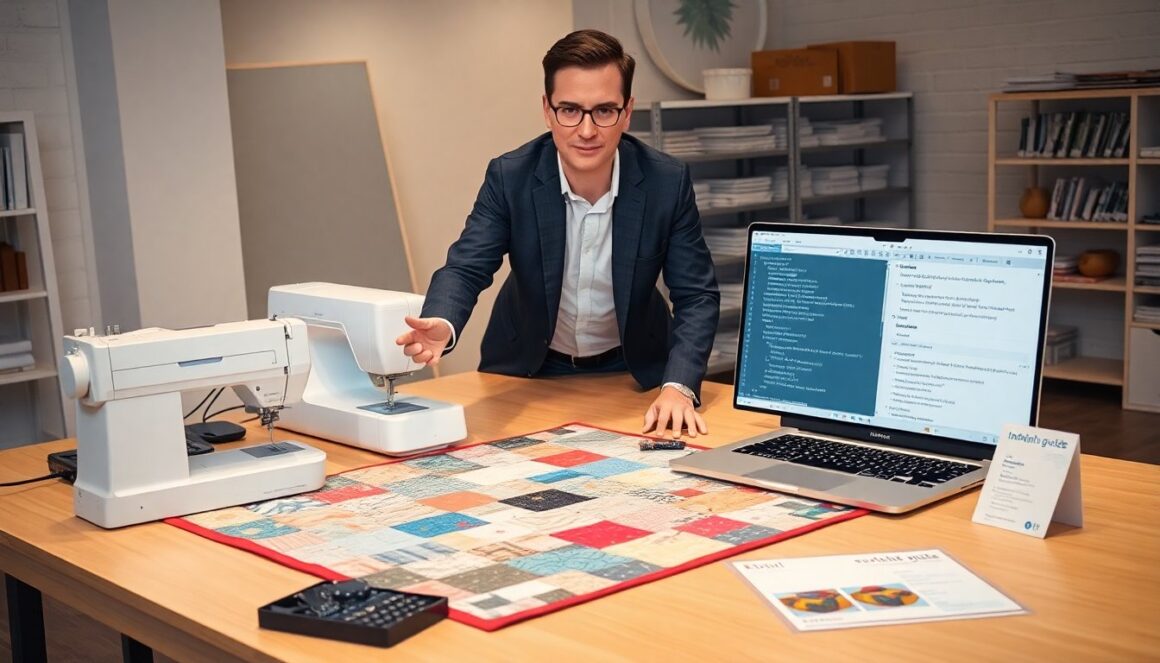
Sandbox quilt modding cult novelteagmam describes a hybrid hobby that blends physical quilt design with digital mod workflows. The community calls projects “teagmam” when they pair patchwork patterns with interactive mod elements. It started as a small group that added programmable lights and sensors to quilt blocks. Later, members added texture packs and behavior scripts used in virtual sandboxes. The term teagmam now covers physical quilts, digital assets, and the social practice of sharing templates. Newcomers learn basic quilting, file export, and simple scripting to join the group. The scene values open sharing and repeatable steps. The cult label refers only to intense hobby focus and strong norms, not to harmful activity. The movement grows slowly, and enthusiasts release new teagmam patterns each year.
Essential Tools, Files, And Project Structure To Get Started
Beginners need a clear toolset to build teagmam works. For physical work, they use a rotary cutter, sewing machine, and LED modules. For digital work, they use a texture editor, a simple game engine, and a code editor. Files follow a strict structure so others can load the mod. Each project uses a project.json manifest, a textures folder, a patterns folder, and a scripts folder. The manifest lists name, version, author, and dependencies. Textures use PNG at power-of-two sizes to match most engines. Patterns use SVG or simple CSV to map patch positions. Scripts use a lightweight language such as Lua or JavaScript. The community recommends version control with Git and simple semantic versioning like 1.0.0. New users download a template repo, replace assets, and export the package. The step-by-step file layout lets others preview the teagmam mod without extra setup.
Core Techniques: Patterning, Texture Mods, And Behavioral Scripts
Patterning starts with a grid. Makers mark cells and assign color or material values. They cut fabric or create texture tiles to match the grid. Texture mods require consistent tiling and clear alpha channels. Makers test textures in the engine to check seams and lighting. Behavioral scripts run small actions such as light fades, motion triggers, or sound cues. A typical script watches a sensor or virtual input and then changes a texture or toggles an LED. Scripts remain short and explicit. They define clear inputs, a small set of state variables, and direct outputs. For example, a script reads a proximity input, sets a state to “near”, and sends a color change command. That subject-verb-object flow keeps behavior predictable. Makers debug by isolating one variable at a time, swapping textures, and running the script in a sandbox build. They reuse simple libraries for timing and easing. They also document patterns and script hooks so other creators can adapt the teagmam package.
Community Practices, Distribution, And Ethical Considerations
The community shares teagmam packages on small hosting sites and code platforms. Creators attach clear licenses that state reuse and attribution rules. Popular choices include permissive Creative Commons or MIT-style licenses. The group values clear credit and honest description of required hardware or engine versions. Members test packages on multiple devices and report failures. Distribution often uses tagged releases and short install guides. Ethical practice means avoiding copied art and respecting privacy when sensors collect data. If a teagmam quilt uses biometric or location inputs, makers remove identifying logs and ask consent before public demos. Moderation keeps forums safe and polite. New members read contribution guides and follow code of conduct rules. The community also encourages learning: veterans mentor new creators and publish short how-tos. That steady practice helps the teagmam scene remain creative and open while preventing harm.