
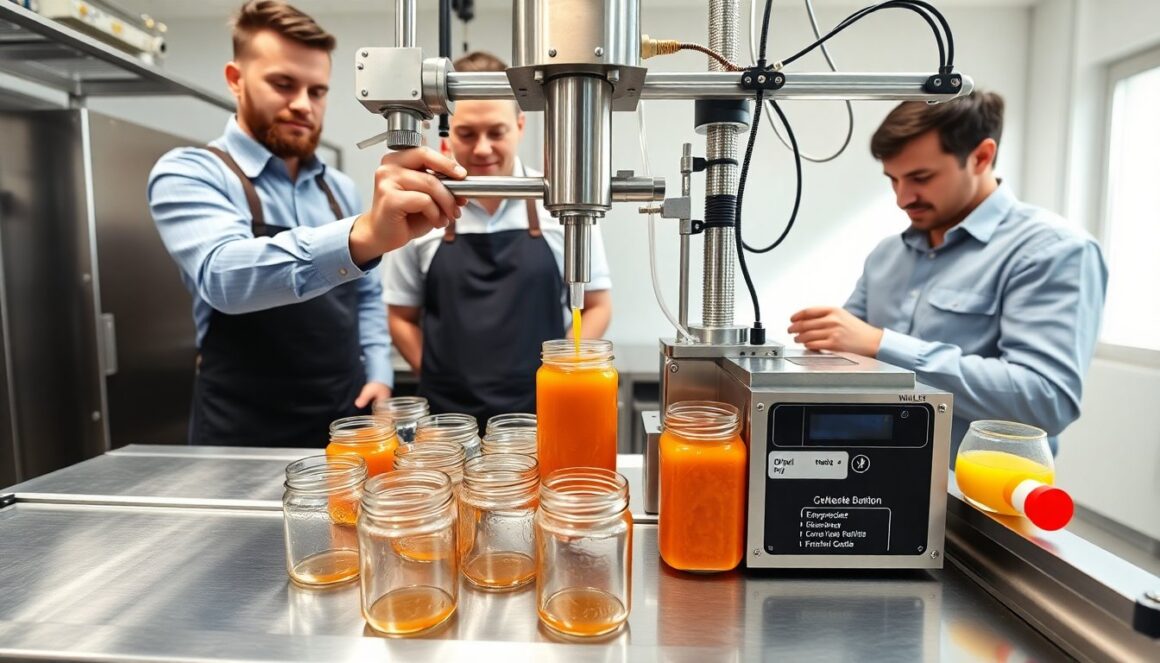
The nvltemags self spreading marmalade blueprint shows how to build a machine that spreads marmalade without interruption. The guide lists parts, gives clear measurements, and explains safety steps. The reader will learn how to assemble, calibrate, and run a first test. The text keeps steps simple and exact. The guide aims to save time and reduce waste.
Key Takeaways
- The nvltemags self spreading marmalade blueprint provides a detailed plan to build a machine that automates marmalade spreading, reducing manual labor and product waste.
- The blueprint includes exact parts lists, measurements, and safety instructions to ensure consistent output and safe operation, making it ideal for small producers and hobbyists.
- Assembly and calibration steps help users precisely set dispenser volume and conveyor speed to achieve less than 3% marmalade waste per jar and maintain a 10-second cycle time.
- The design uses widely available, food-safe components and features an emergency stop and cleaning protocols to maintain hygiene and durability.
- Software controls allow adjustments to dispenser pulses and conveyor motion, enabling builders to optimize speed and accuracy while logging errors for continuous improvement.
What The NVLTEmags Self-Spreading Marmalade Blueprint Is And Why It Matters
The nvltemags self spreading marmalade blueprint defines a compact system that moves jars, deposits marmalade, and seals lids. It uses a timed dispenser, a conveyor, and a simple control board. The blueprint lists dimensions, part numbers, and expected cycle time. It matters because it reduces manual labor, cuts product loss, and keeps spread consistent.
The blueprint suits small producers and hobbyists who want steady output. It fits workshops with a bench and a 120–240V supply. It scales by adding parallel lines or larger dispensers. The blueprint keeps cost low by using widely available parts. It specifies common fasteners, stepper motors, and a microcontroller.
The document also sets test targets. It aims for less than 3% marmalade waste per jar and repeatable 10-second cycles. The plan includes quality checks like weight tolerance and lid alignment. The nvltemags self spreading marmalade blueprint guides those checks with clear pass/fail numbers. It lets teams measure improvements after each change.
The blueprint also includes simple software rules. It defines dispenser pulses, conveyor steps, and emergency stop behavior. The software logs run counts and errors. The blueprint helps the builder improve speed or accuracy by changing pulse time or conveyor speed.
Materials, Measurements, And Safety Considerations You Need Before You Start
The nvltemags self spreading marmalade blueprint lists every material in a table. The list names a microcontroller, stepper motors, a syringe-style dispenser, standard rollers, and a small conveyor belt. The builder needs stainless steel nozzles, food-safe tubing, and jar guides. The plan calls for food-grade gasket material for seals.
The blueprint gives exact measurements. The conveyor width sits at 90 mm for common jars. The dispenser arm reaches 45 mm into the jar. The conveyor speed range runs 0.1 to 0.5 meters per minute. The stepper motors match NEMA 17 specs. The microcontroller uses a 12-bit PWM for dispenser control. The plan includes wiring diagrams with lengths and connector types.
The guide states safety steps. The builder must disconnect power before wiring. The team must use food-safe components at any point of contact with marmalade. The plan requires an emergency stop that cuts power to all motors. The layout keeps hot elements away from jars. The plan asks for a drip tray beneath the dispenser to catch spills.
The blueprint also notes cleaning routines. The builder must plan for daily rinse cycles with warm water and weekly disassembly for deeper cleaning. The blueprint gives torque specs for fasteners so parts do not loosen during runs. The document advises testing with water before food to check seals and motion.
Step-By-Step Self-Spreading Marmalade Blueprint: Assembly, Calibration, And First Run
The assembly section begins with the frame. The builder cuts aluminum extrusion to the listed lengths and bolts rails at right angles. They mount the conveyor rollers and attach the belt. They secure the stepper motors to the bracket and couple the pulleys. They fit the dispenser arm and fasten the syringe nozzle with the food-safe clamp.
Next, they wire the control board. They attach motor drivers to the microcontroller and ground the frame. They route the food-safe tubing from the hopper to the dispenser. They connect sensors for jar presence and lid detection. They install the emergency stop switch on the front panel and label it.
The calibration steps follow. They load an empty jar and set the conveyor home position by moving the jar to the proximity sensor. They set dispenser pulse length while watching deposit volume. They measure a filled jar on a scale and adjust pulse time until the weight hits the target. They repeat this process for three jars and average the pulse time.
The software setup uses a simple control loop. The code moves the conveyor to a fill position, triggers the dispenser pulse, waits for the jar to clear, and then advances. The builder sets retries for missed jar detections and logs any errors. They test with water and then with a small batch of marmalade.
The first run checklist covers safety and quality. They confirm the emergency stop works. They confirm seals do not leak. They check jar weights for tolerance. They observe lid placement and seal torque. They run ten jars and record waste. The team refines pulse time, conveyor speed, and nozzle height until they meet the blueprint targets. The nvltemags self spreading marmalade blueprint then moves into routine production with logging enabled.