Managing thousands of daily customer inquiries can quickly overwhelm support teams. When users encounter billing questions, account lockouts, or delivery delays, waiting hours for a live agent causes frustration and drives up operating costs.
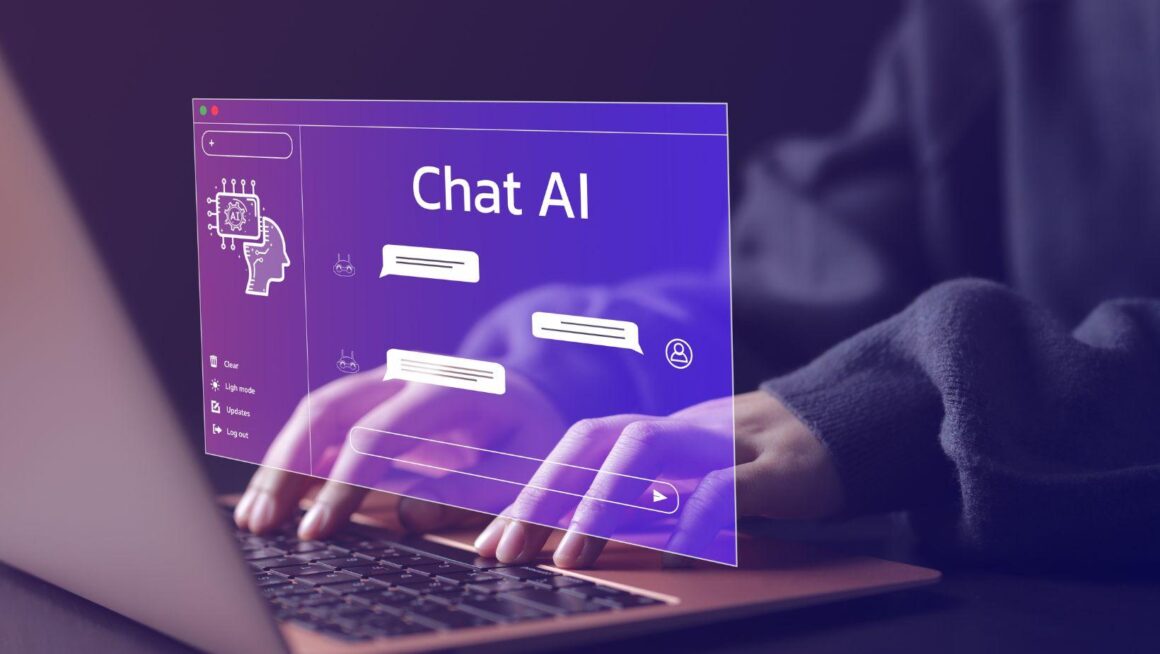
To keep response times low, companies deploy AI-powered chatbots and virtual assistants. Modern conversational AI does far more than follow basic decision trees; it uses natural language processing (NLP) to understand user intent, extract key details, and resolve common service requests automatically without human intervention.
Intent Recognition and Backend API Integrations
Modern support bots use machine learning models to analyze incoming messages in real time. Rather than relying on exact keyword matches, NLP engines parse sentence structures, identify synonyms, and evaluate user sentiment to determine the customer’s actual goal.
Whether routing a balance inquiry for an e-commerce platform, resetting passwords for a SaaS app, or checking account status for a licensed digital FatFruit Casino gaming portal, the bot connects directly to internal database APIs. Once it verifies the user’s identity, it pulls live account details and completes simple backend actions within seconds.
|
Chatbot Component |
Technical Mechanism |
Support Function |
|
NLP Pipeline |
Tokenizes text and parses semantic syntax |
Identifies customer intent despite typos or slang |
|
API Gateways |
Fetches live database records securely |
Performs real-time account updates and status checks |
|
Sentiment Analysis |
Scans text for urgency and frustration markers |
Escalates angry users to human supervisors immediately |
|
Context Memory |
Stores session parameters across turn-taking |
Prevents repeating questions during multi-step troubleshooting |
Smart Escalation and Agent Handoff Protocols
Automated systems work best when paired with clear escalation paths for complex issues.
- Trigger-Based Escalations: When an inquiry involves sensitive account security, complex edge cases, or negative user sentiment, the bot transfers the entire conversation log to a human representative.
- Context Preservation: Customer service agents receive a summarized transcript of the bot’s conversation history, eliminating the need for the user to state their problem twice.
- Continuous System Training: Unresolved bot interactions are flagged for human review, allowing engineering teams to train the underlying language models on missing intents.
Building Efficient Support Automation
Successful AI customer service comes down to balancing automated speed with human availability. Chatbots excel at answering repetitive, high-frequency queries 24/7, keeping queue times short for everyday tasks.
By integrating smart intent recognition with seamless human escalation routes, businesses cut operating overhead while providing faster support. As conversational AI continues to mature, automated systems will handle increasingly complex workflows without losing the clarity and accuracy users expect.