
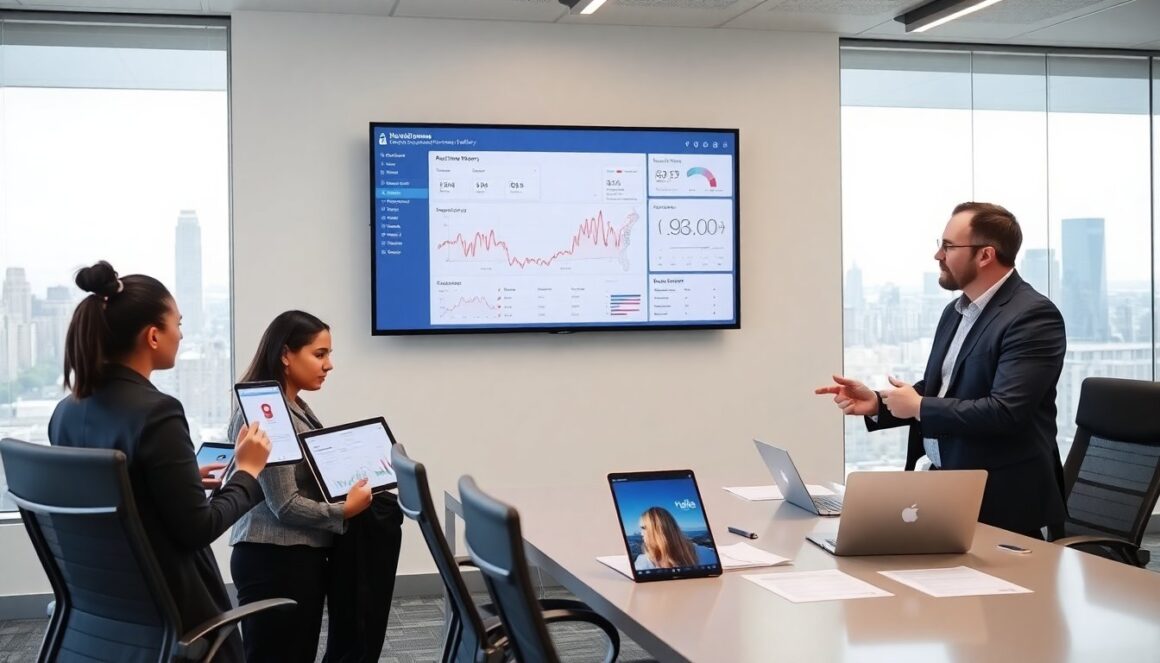
How GPS tracking can enhance employee accountability Novelteagames tests this approach to improve field work. The company tracks location and work events to set clear expectations. The system logs time, route, and tasks so managers measure outcomes. Teams gain consistent feedback and managers gain reliable records. This method aims to reduce disputes and improve scheduling while keeping records simple and actionable.
Key Takeaways
- GPS tracking enhances employee accountability by providing clear, objective records of time, location, and tasks, reducing disputes and improving scheduling at Novelteagames.
- Real-time location, route history, and activity logs help managers verify work order and duration, enabling precise coaching and dispute resolution.
- Features like geofencing and automated check-ins deliver timestamped proof of work, streamlining compliance and client visit confirmations.
- Analyzing GPS data alongside KPIs allows Novelteagames to identify training opportunities and efficiency gaps, turning data into actionable improvements.
- Implementing GPS tracking with a pilot, clear policy, and thorough training ensures smooth adoption and transparency for employees.
- Respecting privacy and legal requirements, with transparent communication and employee access to logs, builds trust while enhancing accountability.
Why GPS Tracking Strengthens Accountability In Field And Remote Teams
GPS tracking can enhance employee accountability Novelteagames by creating shared facts about work activity. The tool records start time, end time, and position so managers verify presence. The system timestamps deliveries and service calls so disputes drop. Employees receive clear assignments and see when a manager logs task completion. Teams get faster responses when a route shows delays. Supervisors allocate work when they see idle time. Records help HR apply fair policies. The presence of objective logs shifts conversations from blame to problem solving.
Core GPS Features That Directly Boost Employee Accountability
GPS features affect daily accountability in concrete ways. Novelteagames picks features that create proof and prompt correct behavior. The next subheadings list key features and how each supports reliable work records.
Real-Time Location, Route History, And Activity Logs
Real-time location tells managers where staff are at the moment. Route history shows the exact path for a shift. Activity logs record stops, starts, and task notes. Together these items let managers confirm task order and duration. Employees show their work through recorded routes and timestamps. Managers spot inefficient routes and coach staff to save time. Audits use logs to resolve customer disputes. Novelteagames uses these features to reduce guesswork and to plan accurate daily assignments.
Geofencing, Automated Check-Ins, And Timestamped Proof Of Work
Geofencing triggers events when staff enter or leave a site. Automated check-ins record a worker’s arrival without manual forms. Timestamped proof links a photo or note to a specific time and place. These tools create clear evidence for completed tasks. Employees follow rules because the system documents compliance. Managers set alerts for missed check-ins and follow up quickly. Novelteagames uses geofences to shorten paperwork and to confirm client visits with minimal staff effort.
Measuring Performance: KPIs, Reports, And Actionable Insights
The company defines clear KPIs that tie to GPS data. Examples include on-time arrival rate, route efficiency, and time-on-task. Reports show trends over weeks and months. Managers review reports to spot training needs and scheduling gaps. Actionable insights come from combining GPS with job outcomes. For example, longer drive time with lower output flags a planning issue. Novelteagames sets monthly targets and reviews them in short meetings. The process turns raw location data into specific steps for improvement.
Implementation Best Practices For Novelteagames: Pilot, Policy, And Training
Novelteagames runs a short pilot before full rollout. The pilot tests devices, data flow, and alerts. The company writes a clear policy that states what data it collects and why. The policy shows how long the company stores data and who can access it. Training teaches staff how to use apps and how managers will read reports. Managers practice honest feedback based on data. The pilot creates room to fix issues and to simplify processes before scaling across teams.
Privacy, Legal Considerations, And Building Employee Trust
The firm follows local laws on location tracking and worker consent. Novelteagames informs staff before it activates devices. The company limits tracking to work hours and to work devices. It anonymizes aggregated reports when possible. Managers explain how data protects schedules and supports fair pay. The firm lets staff review their own logs and dispute errors. Transparent use and clear policy reduce fear. Trust grows when employees see that GPS tracking can enhance employee accountability Novelteagames applies fairly and with respect.