
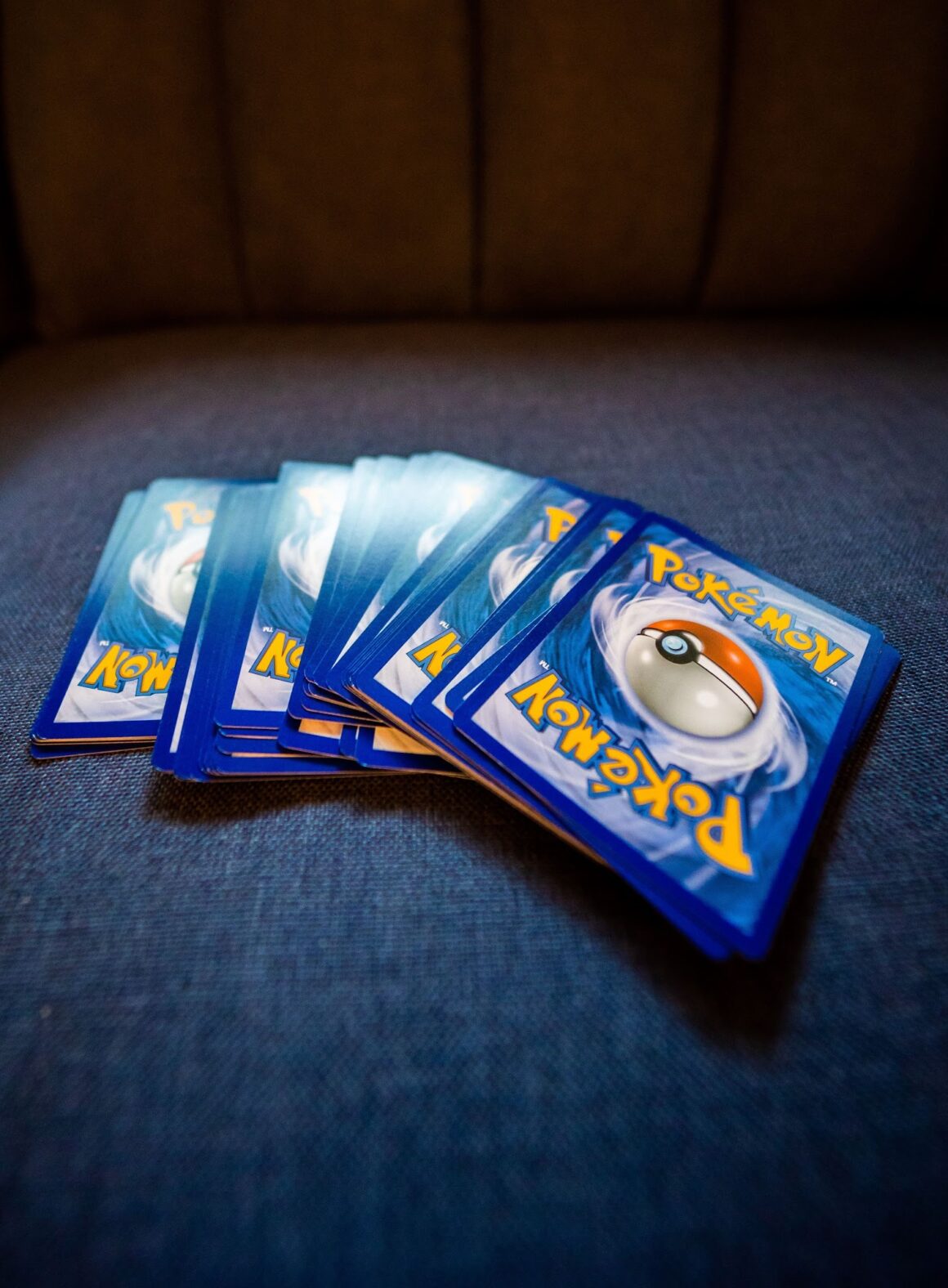
Dusty binders tucked away in cupboards, attics or storage boxes could be hiding far more than childhood memories. Taking a closer look at your old collection might reveal that those playground trades are worth much more than you ever imagined.
The trading card market has seen a major resurgence, with collectors actively searching for vintage Pokémon cards. If you’ve recently rediscovered an old binder, it’s natural to wonder what those cards are worth today. Learning how to identify key printing details and rarity markers is the first step towards understanding their potential value.
Identifying Vintage Rarity Indicators
Start by checking the bottom-right corner of each card for its rarity symbol. A circle indicates a common card, a diamond represents an uncommon card and a star identifies a rare one. Holographic foil artwork generally attracts greater collector interest, especially on older releases.
If you have English cards from 1999, look for the circular “1st Edition” stamp on the left-hand side. These cards are among the most sought-after by collectors. Another important feature is the absence of a shadow along the right edge of the artwork box. These “shadowless” cards were part of the earliest Base Set print run and remain highly desirable.
It’s also worth looking for printing errors, misprints, unusual promotional stamps or alternate artwork. Small details like these can dramatically influence value.
Even holographic stars beside a character’s name may point to cards with stronger collector demand. Understanding these subtle differences gives you a much clearer picture of a card’s historical significance and potential market value.
Utilizing Digital Appraisal Methods
With thousands of cards released across multiple expansions, keeping track of values manually is difficult. A digital Pokémon card value checker allows you to search by card name and collector number, giving you access to aggregated sales data from secondary marketplaces.
These tools also provide historical auction results alongside current market prices, making it much easier to estimate a card’s value today. Compared with outdated printed price guides or subjective opinions from local hobby shops, digital databases offer a broader view of current demand.
Because pricing is updated regularly, you can more easily separate common bulk cards from genuinely scarce collectibles.
Assessing the Impact of Physical Condition
Condition has a greater impact on value than almost any other factor. Even a visually impressive card can lose significant value if it has edge whitening, scratches or noticeable wear.
Collectors generally use standard condition categories when buying and selling cards:
- Gem Mint: Perfect centering, clean edges and no visible surface scratches under bright magnification.
- Lightly Played: Minor whitening on the back edges while the front remains clean and glossy.
- Moderately Played: Visible edge wear, light scuffing and softened corners from regular use.
- Damaged: Heavy creases, water damage, ink marks, peeling or structural wear.
Even flaws that are difficult to spot without close inspection can substantially reduce a card’s value during a professional appraisal. If you own vintage cards, storing them in archival-quality protective sleeves helps protect them from humidity, scratches and everyday handling.
Tracking Popular Characters and Market Trends
Some Pokémon consistently attract stronger collector demand than others. Charizard has historically led the market, with pristine first-edition examples selling for hundreds of thousands of dollars at major auctions.
Professional grading can significantly increase those values, particularly when a card receives the highest “Gem Mint” score and population reports show very few examples in that condition.
Other iconic Pokémon, including Pikachu and Mewtwo, also remain highly sought after across multiple generations of collectors, helping maintain demand for both vintage and newer expansion sets.
Nostalgia isn’t the only factor influencing prices. Competitive play in retro tournament formats and changes in modern gameplay can occasionally drive sudden increases in demand for specific trainer cards and lesser-known Pokémon.
Certain illustrators, including Mitsuhiro Arita and Ken Sugimori, have also developed dedicated followings, with collectors pursuing complete portfolios of their artwork regardless of gameplay value.
These specialized collecting interests create smaller, highly focused markets within the broader hobby and contribute to the constantly changing landscape of Pokémon card collecting.
Navigating the Choice to Grade or Sell
Deciding whether to submit a card for professional grading requires careful consideration. Grading companies assess centering, corners, edges and surface quality before sealing the card in a tamper-evident plastic holder with a numerical grade from one to ten.
A top-grade score can multiply a card’s market value, while an average result may not recover the cost of grading, shipping and insurance. Before sending valuable cards away, it makes sense to assess their condition realistically and weigh the potential return against the associated costs and waiting times.
Selling raw cards through online marketplaces provides immediate access to buyers and avoids grading expenses.
Professional grading, on the other hand, is generally a longer-term strategy best suited to exceptionally well-preserved cards that have the strongest chance of achieving premium grades and commanding significantly higher prices among serious collectors.