
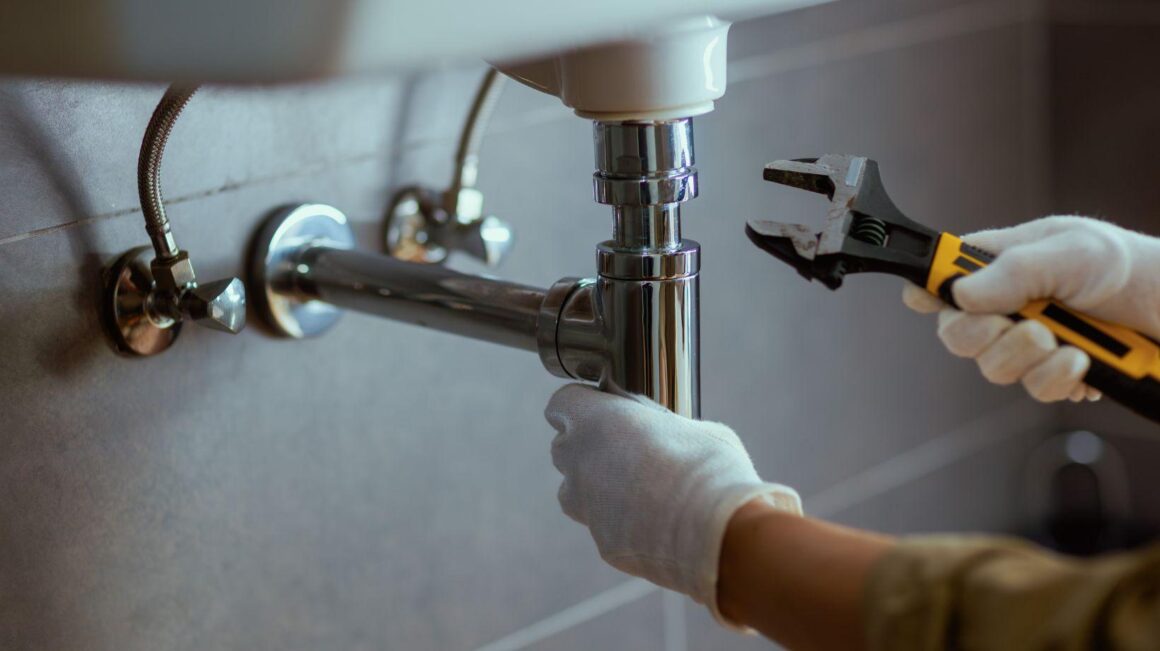
Facing a plumbing issue at home can be daunting, especially when you’re unsure whether to call an emergency Plumber or wait for standard services. Plumbing problems can range from minor leaks to major flooding, and knowing the right service to choose is crucial for resolving issues efficiently. This article will explore the scenarios where you might need either an emergency Plumber or a standard Plumber, highlighting the differences between the two services. By understanding these distinctions, you can make informed decisions that protect your home and family.
Emergency Plumbing: When Time is of the Essence
Emergency plumbing services are crucial during unforeseen incidents that require immediate attention. For example, a burst pipe can cause significant water damage, affecting the indoor air quality of your home. In such scenarios, an Emergency Plumber can provide prompt assistance to prevent further damage. Emergency Plumbers are available 24/7, ensuring that urgent problems are addressed promptly to minimize disruption and damage.
Another scenario that calls for an emergency Plumber is sewage backup. This situation can pose serious health risks, especially in homes with young children whose child development milestones are critical. Untreated sewage backups can lead to contamination that may affect children’s health, making immediate intervention necessary.
Disaster preparedness planning is another aspect where emergency Plumbers come into play. They are trained to handle crisis situations, ensuring that your plumbing system is resilient enough to withstand unexpected challenges. This readiness is vital for maintaining the safety and comfort of your home.
Standard Plumbing Services: Routine Maintenance and Repairs
Standard plumbing services focus on regular maintenance and repairs, ensuring your home’s plumbing system functions efficiently. These services include fixing leaky faucets, unclogging drains, and installing new fixtures. Routine maintenance is essential for achieving a high sustainability rating system within your home, as it helps conserve water and energy.
Regular inspections can also identify potential issues before they become emergencies. For instance, an energy efficiency audit might reveal outdated plumbing that needs updating, ultimately saving on utility bills and reducing environmental impact. By opting for standard services, homeowners can maintain a well-functioning system that supports universal design principles, accommodating all family members, including those with special needs.
Moreover, standard Plumbers often work in compliance with homeowners association (HOA) guidelines. Ensuring your plumbing system meets these standards can prevent potential fines and disputes, preserving harmony within the community.
Key Differences Between Emergency and Standard Plumbers
The primary distinction between emergency and standard Plumbers lies in their availability and response time. Emergency Plumbers are available around the clock, providing immediate assistance during critical situations. This rapid response is essential for preventing extensive damage, especially in cases like flooding or severe leaks.
On the other hand, standard Plumbers operate during regular business hours, focusing on maintenance and non-urgent repairs. Their services are typically scheduled in advance, making them ideal for planned renovations or routine check-ups. For instance, a smart home integration specialist might schedule a standard Plumber to install water-efficient fixtures as part of a home upgrade.
Cost is another factor to consider. Emergency plumbing services often come at a premium due to their immediate nature, while standard services are generally more affordable. Homeowners must weigh the urgency of the problem against the cost to determine the most suitable option.
Choosing the Right Plumbing Service for Your Needs
When deciding between an emergency and a standard Plumber, consider the urgency and severity of the issue. Evaluate whether the problem poses an immediate threat to your home or family, such as a major leak affecting eco-friendly insulation materials or a backed-up sewer line.
Additionally, assess the potential long-term impact of the plumbing issue. For instance, ignoring a minor leak might compromise the ergonomic nursery design you’ve carefully planned, affecting your child’s comfort and safety. In such cases, timely intervention is crucial.
Finally, consider integrating a digital home management system to monitor your plumbing’s health. This technology can alert you to changes in water pressure or usage patterns, helping you decide when to call in professional help. By being proactive, you can maintain a safe and efficient home environment.
Conclusion
Understanding the differences between emergency and standard plumbing services helps you make informed decisions when facing plumbing issues. Emergency services are vital for urgent situations that require immediate attention, while standard services focus on routine maintenance and repairs. By carefully assessing your needs, you can choose the right service to protect your home and family, ensuring safety and efficiency in your living environment.