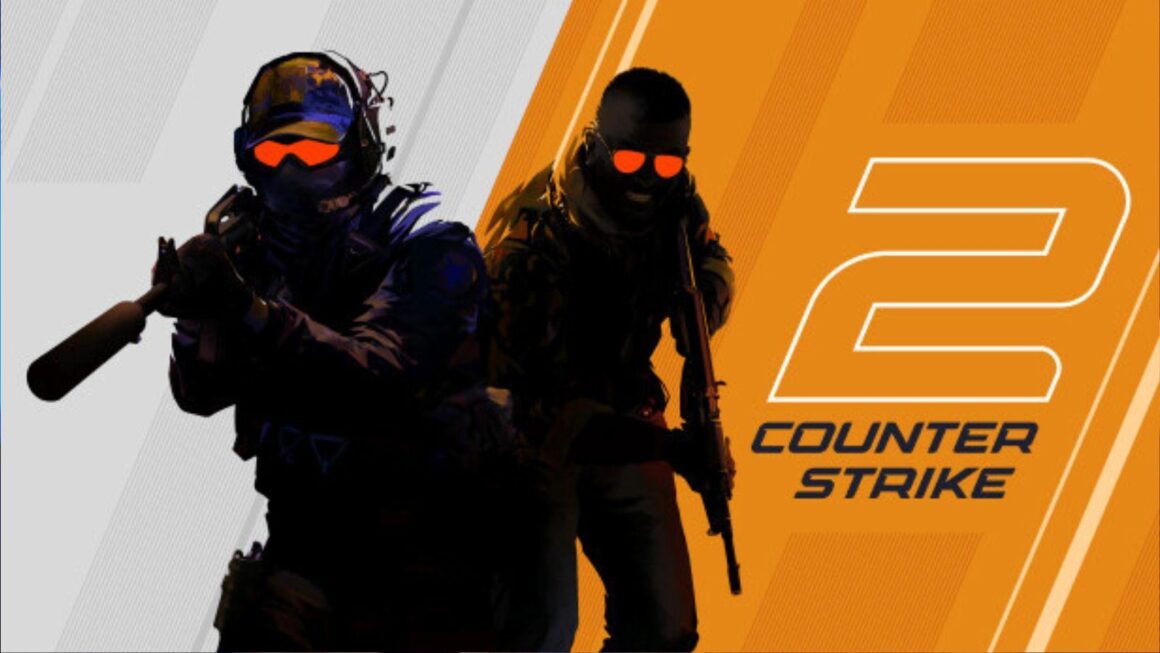
A CS2 skin’s journey from a random match drop to a permanent place in someone’s showcase can take years. Most skins never make that journey. The ones that do pass through several stages, each shaped by different community pressures and economic forces.
Tracing this lifecycle is more interesting than tracking individual price moves, because it reveals how the entire CS2 cosmetic economy actually functions.
The drop
Most skins enter the world through random match drops. A weekly cap limits how many drops any player can earn, which keeps supply curated rather than overwhelming. Drops are also weighted – higher-tier rarities appear less often, and the rarest items are more likely to come from cases or specific events than from passive play.
Drop-based supply gives the market its baseline. Without it, every skin would have to come from purchases, and the casual player base would never feel ownership over their inventory. With it, even players who never spend money on the game accumulate items over time.
By the time items reach the showcase end of their lifecycle, the platforms handling them matter as much as the items themselves. EsportNow’s CS2 skins section documents the partner platforms that handle showcase-grade items, where verification matters more than transaction speed. The collectors who reach the final stage of the lifecycle have usually been in the hobby for years and care more about authenticity and history than about marginal price differences.
The case opening route
Cases are the second main source of supply, and the higher-value items mostly come from this route. Opening a case is essentially a small probability draw against a published distribution. Major events generate special cases that anchor key moments. PGL and other tournament organizers produce capsules that tie skins directly to specific events, which gives those items provenance from the moment they enter circulation.
Case opening is where most of the gambling-style discussion of CS2 happens. The expected value of a single case is below the cost of opening it, but the variance is high enough that occasional players walk away with items worth hundreds of times the case price. The thrill of that variance is what keeps cases moving.
The first sale
After a skin enters someone’s inventory, it usually moves quickly into the market unless the owner specifically wants to keep it. Steam imposes a holding period on traded items, which forces a buffer between drop and resale. The first sale is often well below long-term value because new items have not yet been priced through trading.
The buyers at this stage are often resellers who specialize in turning over fresh inventory. They buy at a discount, hold for the price to stabilize, and sell into a more developed market a few weeks later. This middleman function is what most casual sellers underestimate. The price they get is fair given they want immediate liquidity, but it is not the price the market eventually settles at.
Discovery and price stabilization
Within a few weeks of a new skin entering circulation, its price starts to stabilize as the market discovers what the item is worth. Float distribution becomes clearer. Pattern variations get cataloged. Pro players using particular versions create demand spikes for specific patterns or float ranges.
Trading platforms with active user bases drive a lot of this discovery. Faceit and other CS2 platforms host community discussion around new skins, and their data feeds influence what eventually emerges as the consensus price for a given item.
The hold and slow appreciation
Some items move into long-term holds at this point. Collectors who recognize a skin as historically significant or aesthetically distinctive will buy and shelve it for years. These long-term holds reduce supply in active circulation, which is part of why classic items appreciate over time.
Tournament-tied items follow a particular pattern. They appreciate during the run-up to the next major from the same tournament organizer, then settle, then climb again as the original event recedes into history. Twenty-year-old tournament memorabilia often outperforms newer items because the cultural memory of the event has compounded.
The showcase stage
The endpoint for the most prized items is a permanent showcase. Steam profile inventories arranged with care. External photo galleries documenting individual pieces. Sometimes physical printouts or display cases for collectors who treat their skins as part of a hobby that crosses into the physical world.
Why the lifecycle matters
Understanding the full lifecycle changes how new traders and collectors approach the market. Buying immediately after a drop is rarely the right move because prices have not stabilized. Buying years later from showcase-grade collections is rarely the right move either because you are paying a premium for ownership history. The middle stages, where items have been priced but not yet appreciated, are where most informed buying happens.
This is the same logic that runs through other collectibles markets. Fresh inventory is volatile. Established inventory is expensive. The patient middle is where value lives. CS2 skins follow this pattern more cleanly than most virtual economies, which is part of what makes the market so studied by people who care about how online economies actually work.