
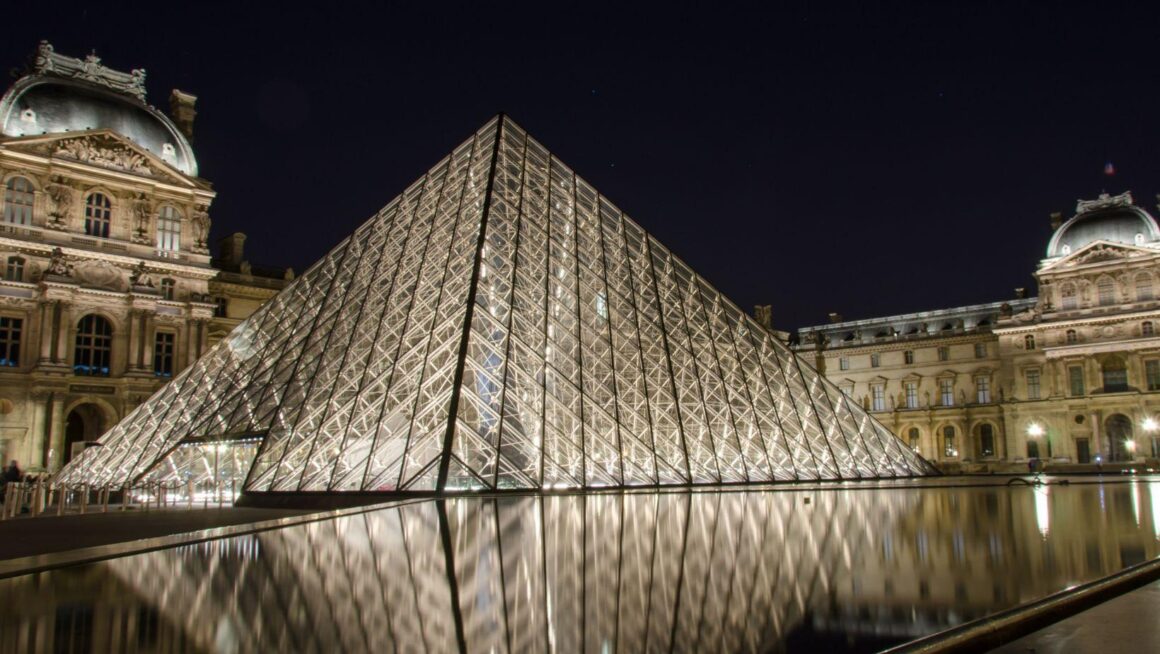
Major global destinations do not power down when the sun sets. Cities like Tokyo, Amsterdam, New York, and Berlin generate billions in annual revenue by catering to tourists and shift workers long past traditional business hours. Creating a functional round-the-clock city requires far more than keeping venue doors unlocked; it demands deliberate urban planning, specialized civil policy, and round-the-clock public services.
Managing a 24-hour urban ecosystem involves balancing the demands of high-volume nightlife with the needs of local residents. By coordinating transport infrastructure, spatial zoning, and municipal oversight, metropolitan planners transform twilight hours into major drivers of international tourism and regional economic growth.
Infrastructure Management and 24-Hour Public Services
Maintaining a continuous urban economy depends on reliable transit networks and public safety infrastructure designed specifically for late-night operations. Whether coordinating late-shift transit routes for hospitality workers, running cleaning crews through entertainment districts, or securing commercial access around a licensed BoaBet HU Casino or performance arena, municipal systems must adapt to non-standard schedules.
Modern 24-hour cities treat time as a shared spatial resource. Public transit agencies extend train schedules, run dedicated night-bus lines, and establish illuminated rideshare zones to ensure visitors and service staff move safely across the city after dark. Meanwhile, municipal sanitation departments schedule major waste collection and street sweeping during low-traffic predawn windows to keep high-density corridors clean for morning business hours.
|
Municipal System |
Operational Adaptation |
Economic & Social Objective |
|
Nighttime Public Transit |
24/7 subways and continuous night-bus loops |
Connects remote entertainment hubs with residential districts |
|
Sensory & Noise Zoning |
Acoustic insulation codes & sound-baffled architecture |
Minimizes friction between residential blocks and venue districts |
|
Active Street Lighting |
Smart LED networks tuned to pedestrian foot traffic |
Enhances public safety while optimizing municipal energy usage |
|
Dedicated Night Governance |
Municipal “Night Mayors” and evening liaison offices |
Mediates disputes between local residents, venue operators, and police |
Spatial Zoning and Entertainment District Layouts
City planners use targeted land-use policies to contain high-energy nighttime activities within designated entertainment corridors. Clustering theaters, live music venues, dining quarters, and gaming facilities in centralized, well-connected districts prevents noise pollution from bleeding into quiet residential neighborhoods.
- Mixed-Use Commercial Density: Designing pedestrian-only plazas surrounded by ground-floor retail and late-night dining keeps streetscapes active and well-monitored by organic foot traffic.
- Acoustic Buffer Zones: Utilizing parkways, commercial office towers, or river corridors as physical barriers absorbs late-night sound before it reaches living areas.
- Flexible Licensing Frameworks: Implementing layered closing-time regulations allows quiet cafes to operate early while high-capacity venues hold 24-hour operating permits.
Balancing Resident Liveability with Global Tourism Demand
The long-term survival of a 24-hour economy relies on protecting resident quality of life while maintaining dynamic cultural spaces. When night economies operate without clear regulatory boundaries, noise complaints, public disruption, and strained emergency services quickly spark friction between city halls and neighborhood groups. Pioneering cities address this by establishing dedicated night-advocacy offices to mediate disputes and enforce acoustic compliance.
Ultimately, building a continuous urban environment requires treating evening hours as a valuable municipal asset rather than an operational burden. When municipal authorities combine reliable public transit, smart spatial zoning, and active community mediation, they create resilient urban spaces that benefit local residents, night-shift workers, and international travelers alike.