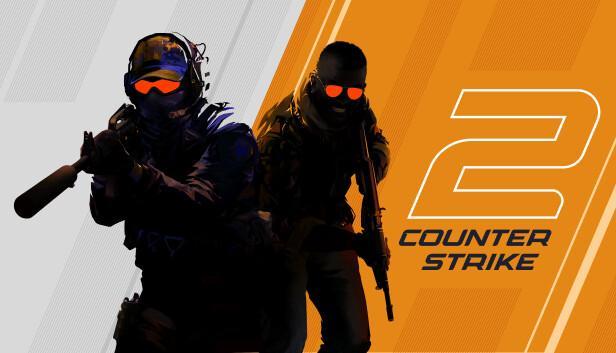
A CS2 case does not work like a shop bundle. Paying to open one does not let you choose a skin or rarity. The key unlocks a single random item from the list attached to that case. It may be an inexpensive blue skin, a red Covert skin, or, very rarely, a knife or pair of gloves. The process takes only a few seconds. Understanding what you are paying for takes a little longer.
Where Do Cases Come From?
Players with Prime Status can receive cases through the Weekly Care Package. A case may also be bought from another user through the Steam Community Market. Prices are not fixed. Older cases, discontinued drops, and cases containing desirable skins often cost more than those supplied in larger numbers. Owning a case is only the first part of the purchase. It cannot be opened until you buy the matching key.
How Much Does a Key Cost?
A standard case key costs about $2.49. Regional pricing, currency conversion, and taxes may change the amount shown to players. The key price is separate from the case price. If a case costs $1 and its key costs $2.49, the opening costs roughly $3.49 before any applicable taxes. More expensive cases increase that total, even though they still produce only one item.
Old tradable keys sometimes appear at much higher prices on the market. A newcomer does not need one of those to open an ordinary case. The game offers the required key when the case is selected.
What Happens During the Opening?
The case page shows the skins that can drop from it. After the key is purchased and used, the familiar reel begins to move. When it stops, one skin enters the player’s Steam inventory. Both the key and case are consumed. The weapons passing near the marker are part of the presentation. A player cannot stop the reel at a chosen moment or claim the item that appeared next to the final result. There is no timing method that changes the reward.
The new item comes with its own wear value and pattern. If the skin is eligible, it may also be a StatTrak version.
What Do the Rarity Colours Mean?
Most weapon cases arrange their contents into five levels:
- Blue — Mil-Spec
- Purple — Restricted
- Pink — Classified
- Red — Covert
- Gold — Rare Special Item
Blue items are the common results. Purple, pink, and red become progressively less likely. Gold represents the rare special pool. Depending on the case, this pool may contain knives or gloves in several finishes.
What Are the Case Odds?
The published CS2 case odds for ordinary weapon cases are approximately 79.92% for Mil-Spec, 15.98% for Restricted, 3.20% for Classified, 0.64% for Covert, and 0.26% for a rare special item. A 0.26% gold chance is often expressed as roughly one chance in 385. It does not mean that every group of 385 openings contains one knife or pair of gloves. Someone may receive a gold item early, while another player may open hundreds of cases without seeing one. Results are independent.
Why Can Two Copies of One Skin Look Different?
Every skin receives a float value within the range allowed for that finish. This value determines whether the item is Factory New, Minimal Wear, Field-Tested, Well-Worn, or Battle-Scarred. Some finishes do not support all five conditions. Skins within one wear category can still look different. Two Field-Tested copies may sit at opposite ends of that category, leaving one noticeably cleaner than the other.
Pattern index controls the placement of the texture. On most finishes, it changes small visual details. On Case Hardened, Fade, Doppler, and several other finishes, certain appearances may be more desirable.
What Can You Do With the Skin?
The skin can be equipped and used immediately. Selling or trading may be limited by a temporary restriction shown in its Steam inventory description. Players should check that date directly because Valve can revise its trading rules. Selling through the Steam Community Market provides Steam Wallet funds after fees. Those funds can be spent on Steam but cannot be withdrawn through Valve as cash. A displayed listing price does not promise an instant sale. Common items may need to be priced below competing listings, while unusual patterns can require time to find the right buyer.
Final Thoughts
Opening a case means paying for one random result. Check the cost of both parts, look through the item pool, and keep the probabilities in mind. Rare drops are possible, but no number of previous losses makes the next case owe you one. If you want a skin, buying it directly is usually cheaper and leaves no uncertainty about wear, pattern, or appearance.